
Financial Education
The laws being passed right now are deciding who gets ahead.
Tax code changes, healthcare policy, small business regulations. They are quietly deciding who wins and who loses financially. Most financial educators ignore that entirely. I don't.
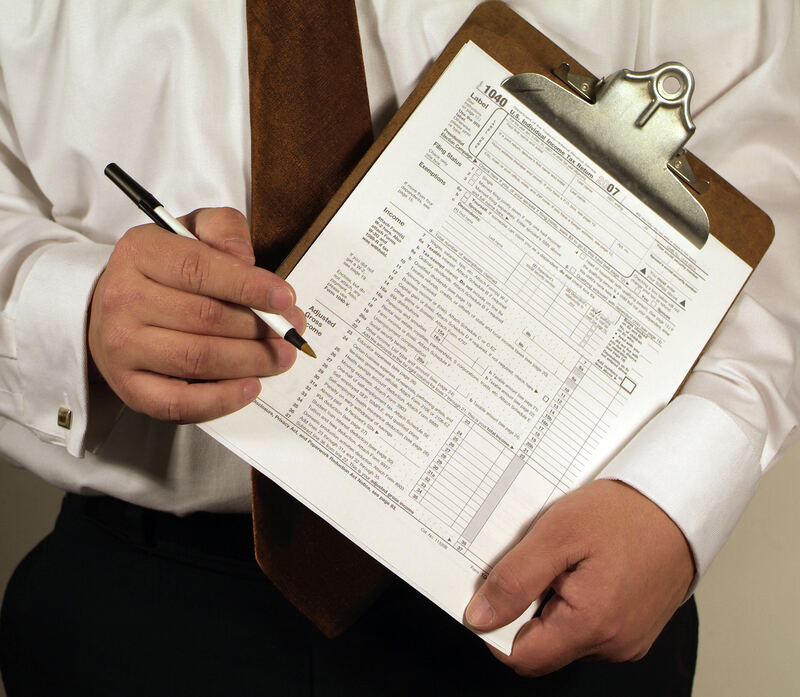
Why I watch Washington
For 16 years I worked with National Write Your Congressman, interviewing everyday Americans about pending legislation and making sure their views got sent to Congress, whether they purchased the service or not. That work gave me a front row seat to how policy decisions move through Washington and how they land on real people’s lives.
Here’s what that taught me: the rules change constantly, and the people who know the rules first win. Retirement account limits, tax brackets, healthcare subsidies, small business requirements, every one of them started as a bill somebody wasn’t watching.
What you’ll find here
This section of the free education connects the news cycle to your bank account:
- What a new law or rule actually changes for your taxes, your retirement accounts, your healthcare costs, or your business
- Which changes need action from you, and which are noise
- The history of how we got here, like how pensions gave way to the 401(k), and what really determines what you are paid
Browse the latest in the Policy & Your Wallet category on the blog.
Where to watch Washington yourself, for free
The decisions our government makes can ultimately determine whether we get ahead or get held back. I don’t want you to just take my word for any of it, I want you to be able to see what is happening for yourself, in real time, from sources whose job is to inform you, not to persuade you. The tools below rely on neutral data to show you what is actually moving through Congress and why people support or oppose it. Every one of them is free.
A quick note on what “nonpartisan” really means: look for organizations set up as 501(c)(3) educational nonprofits rather than 501(c)(4) social-welfare groups. A 501(c)(3) is legally prohibited from endorsing candidates or engaging in partisan political activity. Its mission has to be to inform you, not to sway you.
To follow what is happening right now
- Congress.gov: the official record, run by the Library of Congress. For any bill, the “Summary” tab gives you a plain-English summary written by the Congressional Research Service, a strictly nonpartisan arm of Congress, explaining exactly what the bill would change. No spin.
- Ballotpedia: a nonpartisan encyclopedia of federal and state policy. When a major bill or policy shift lands, they lay out the official text, the background, and the strongest arguments on both sides, side by side. They document the debate; they do not tell you how to think.
- Bipartisan Policy Center: a Washington think tank that breaks down active legislation by what each party wants, where the friction is, and the pros and cons of the proposed fix. Good for when you want more than a headline.
- Causes (formerly Countable), an app that summarizes active bills in plain English with a “why people support it” and “why people oppose it” section, then lets you weigh in and routes your message to your own representatives. It is the simplest everyday-citizen option, though the app has had some reliability issues since its redesign.
To research what already happened
- Past executive orders. The Federal Register is the government’s official journal, completely unedited. Its Executive Orders disposition tables let you pick a president and see every order they signed, exactly as written, along with its current status (still active, amended, or revoked). Ballotpedia keeps archive pages for each modern president’s orders with neutral context on what each one did and the pushback it drew.
- Past bills and landmark laws. GovTrack.us keeps an open archive of every bill back to 1973, including the roll-call votes, so you can see exactly how your own representatives voted. Congress.gov is the definitive official archive, with those same nonpartisan Congressional Research Service summaries for the laws that shaped where we are today.
One thing worth knowing: apps like Causes show side-by-side pro-and-con arguments for active bills to help you decide how you would vote, while the historical archives focus on what a law actually did, what it changed, what it cost, and whether the courts upheld it. If you want the political arguments as they were made at the time, Ballotpedia is your best bet, because they preserve what both sides were saying during the debate.
When policy meets your plan
Education tells you what changed. If a change touches something you’re insured for, or should be, that’s a conversation, not an article.
Not sure what you need?
No pressure, no obligation, just a straight conversation about where you stand and what your options are.